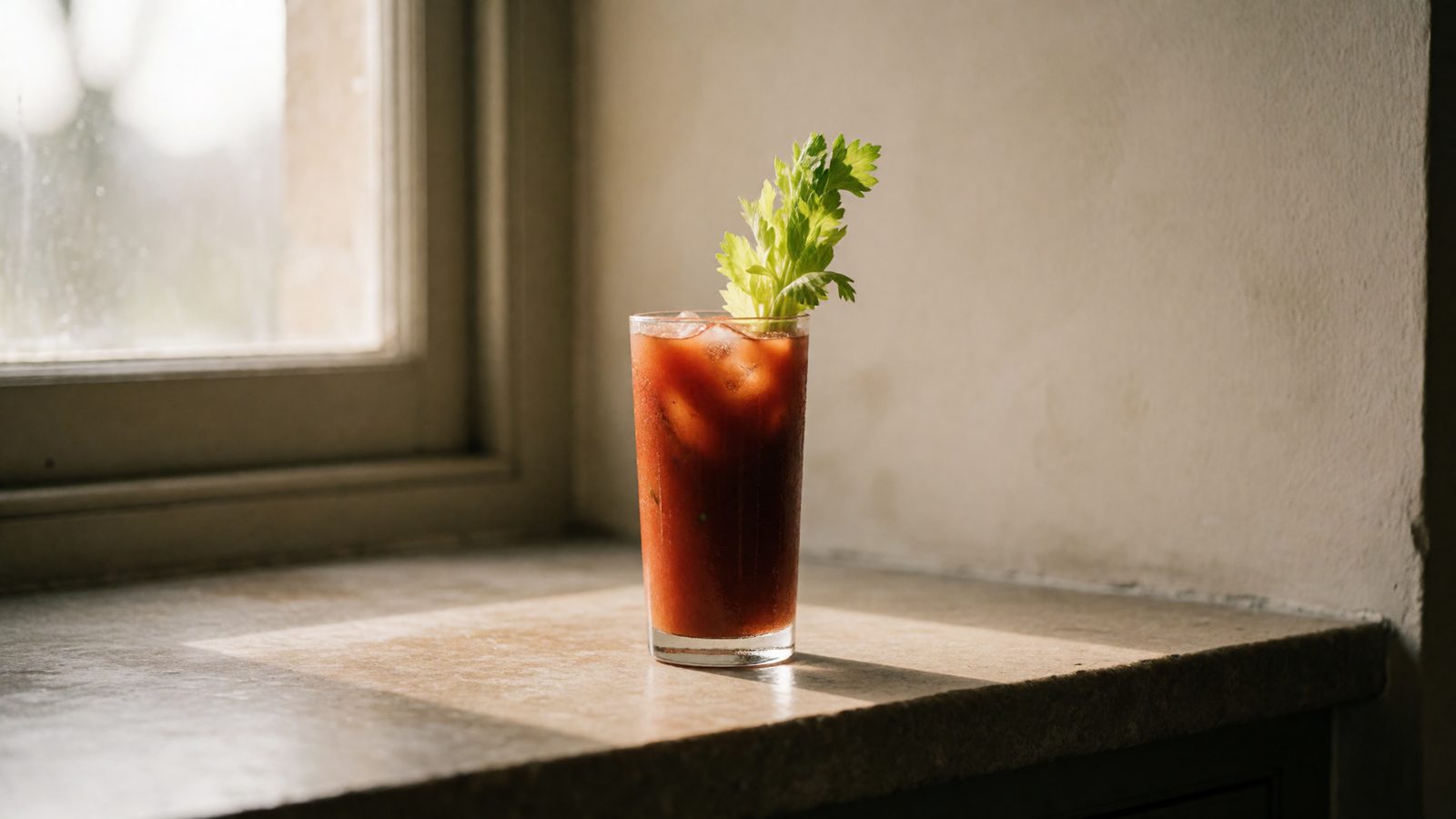
The Bloody Mary hangover cure is old enough that it’s practically part of the drink’s identity. Brunch menus lean into it, bartenders joke about it, and plenty of people genuinely believe a Clamato-based one works better than a plain tomato-juice version. It’s worth being straight about what’s actually going on here, because the honest answer is more interesting than “yes” or “no.”
What a hangover actually is
A hangover is mostly the result of dehydration, electrolyte loss, and low blood sugar, plus inflammation from the alcohol itself. Your liver metabolizes alcohol into acetaldehyde, a toxic byproduct more disruptive than the alcohol itself, contributing to inflammation across the liver, gut, and brain. On top of that, alcohol is a diuretic that blocks your kidneys from reabsorbing water normally, which is the direct mechanism behind hangover dehydration: you’re not just drinking less water than usual, your body is actively shedding more of it. None of that gets undone quickly, and nothing you drink the next morning reverses it on contact.
Where Clamato actually helps, and where it doesn’t
Clamato brings sodium, some potassium, and fluid volume, which does address part of what’s making you feel bad: the electrolyte and hydration deficit. That’s a real, if modest, benefit, and it’s the same logic behind sports drinks and electrolyte tablets. What it does not do is metabolize the alcohol still in your system faster, reverse inflammation, or reset your sleep debt. And critically, a Bloody Mary contains alcohol. Drinking more alcohol the morning after (“hair of the dog”) doesn’t cure a hangover, it postpones it. Cleveland Clinic is direct about this: it “doesn’t work either — all that does is delay your hangover.” It’s not something we’re going to recommend as a strategy, and repeatedly reaching for it to manage withdrawal discomfort is the actual mechanism behind escalating dependence, not just an ineffective home remedy.
Why the craving for something savory and salty is real
The specific pull toward a salty, savory drink the morning after isn’t just habit. Alcohol’s diuretic effect depletes sodium and other electrolytes, and a night of drinking often leaves blood sugar low as well; both changes drive a genuine craving for salty, savory food. A tomato-and-salt-based drink happens to line up with exactly that craving, which is part of why it feels satisfying beyond simple tradition. Cleveland Clinic’s own baseline hangover advice is unglamorous: steady hydration and bland, easy-to-digest food, which is exactly the territory a tomato base and a brunch plate happen to overlap with.
If you want the hydration without more alcohol
The genuinely useful version of this is a Virgin Mary: the same Clamato-and-seasoning base, zero vodka. You still get the sodium and fluid replacement, plus food value from the tomato and clam broth, without adding more alcohol to a body that’s already processing too much of it. Pair it with actual water, some food, and time, which are still the only things that reliably fix a hangover. If you want the full build, our Virgin Mary recipe is written for exactly this, and for a build with more structure to it, see the zero-proof botanical Mary.
The Bloody Mary Hangover Takeaway
A Clamato Bloody Mary isn’t a scientifically validated hangover cure, and nothing marketed as one really is. But the non-alcoholic version genuinely does address real hydration and electrolyte loss, which is more than most hangover folklore can say for itself. This is general information, not medical advice; if hangovers are a frequent or severe problem for you, that’s worth a conversation with a doctor rather than a recipe.
Frequently Asked Questions (NEW)
Does a Bloody Mary actually cure a hangover?
No. It provides some sodium and hydration that overlap with genuine relief, but the alcohol in it works against recovery the same way any alcohol does. Time and water are what actually resolve a hangover.
Is “hair of the dog” real science, or just a saying?
It’s a real, documented pattern, but not a cure. Drinking again temporarily masks withdrawal discomfort by delaying it, according to Cleveland Clinic, rather than resolving the underlying dehydration and inflammation.
Why do I crave tomato juice and salty food after drinking?
Alcohol’s diuretic effect depletes sodium and other electrolytes, and low blood sugar from a night of drinking adds to the craving for salty, savory food. A tomato-based drink happens to line up with that craving.
Is a Virgin Mary better for a hangover than a real one?
For actual recovery, yes. You get the sodium and hydration benefit of the base without adding more alcohol for your body to process.
Sources (NEW)
A note on how this was written (NEW)
This page expands an existing draft already sitting on this site (started, not published). The original structure, voice, and Clamato-specific reasoning are preserved; the acetaldehyde mechanism, the direct Cleveland Clinic citations, and the new FAQ section were added in this pass. Punctuation was updated to match this site’s current no-em-dash style.
Related Reading
- The Virgin Mary
- The Zero-Proof Botanical Bloody Mary
- For the sodium side of this topic, see the lower-sodium hub.
- For the classic build discussed throughout, see the bloody mary recipe.
Leave a Reply