Author: bloodymarys_1ds2jt

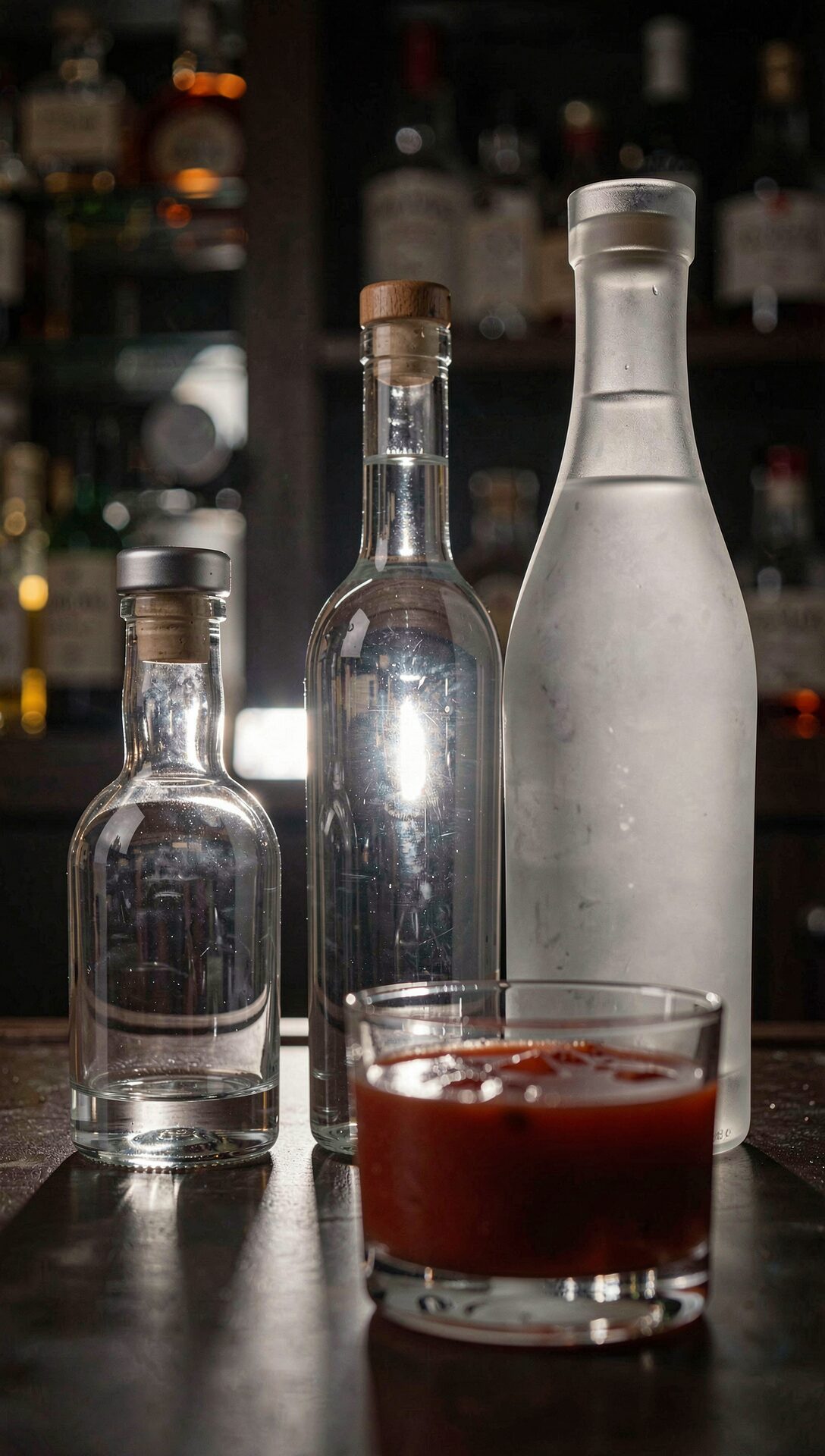
  • Does the Brand of Vodka Really Matter?

    Does the Brand of Vodka Really Matter?

    Short answer: less than you think. Long answer: it depends on what you’re doing with it.

    Let me explain.

    In a Bloody Mary, vodka is not the star. I know that’s a controversial thing to say, but it’s true. The tomato base, the heat, the acid, the umami, the spice — those are doing the heavy lifting. Vodka is the vehicle. Its job is to carry the other flavors and provide the alcohol backbone without getting in the way.

    That said, vodka is not invisible either.

    The biggest differentiator between vodka brands in a Bloody Mary isn’t price — it’s texture and finish. A harsh, poorly distilled vodka will leave a burn at the back of your throat that competes with your spice blend. A smooth, well-distilled vodka disappears into the drink and lets everything else shine. That distinction matters.

    What doesn’t matter as much as the marketing wants you to believe is the prestige of the label. A $60 bottle of ultra-premium vodka is not going to make your Bloody Mary taste $45 better than a solid mid-range bottle. The complexity you’re chasing comes from your mix, not your spirit.

    My rule: spend enough to get something clean and well-distilled — you’re looking at the $20-$30 range — and put the rest of your budget into quality ingredients for your mix. Good no-salt-added tomato juice, real prepared horseradish, a quality Worcestershire. That’s where the return on investment actually lives.

    One exception worth noting: flavored vodkas. Pepper vodka, horseradish vodka, even some citrus vodkas can add a complementary layer to a Bloody Mary without overpowering it. If you go that route, taste your mix separately first, then decide if a flavored vodka enhances or clutters it.

    The bottom line is this — a great Bloody Mary is about balance and intention. The vodka matters. The brand, mostly, does not.

    A note on this post: I worked with an AI writing tool to help shape and refine some of the language here. The opinions and strong feelings about vodka economics are entirely my own.
  • Aleppo Pepper — The Secret Spice That Changes Everything

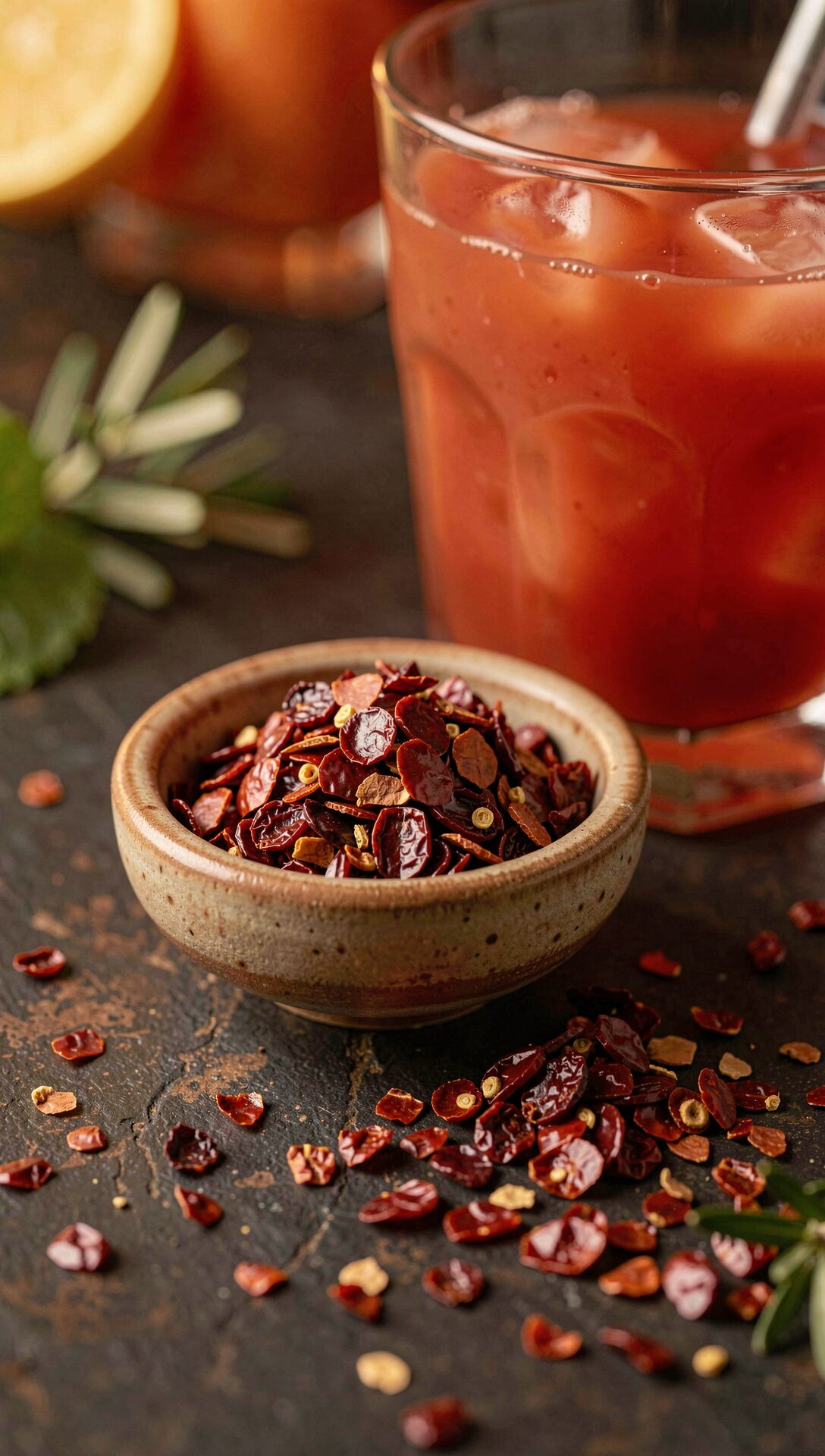
    Aleppo Pepper — The Secret Spice That Changes Everything

    If you’ve never cooked with Aleppo pepper, you’re missing one of the most useful spices in the cabinet. And if you’ve never put it in a Bloody Mary, we need to talk.

    Aleppo pepper comes from the Aleppo region of Syria and southern Turkey, and it’s been a staple in Middle Eastern and Mediterranean cooking for centuries. It’s named after the city of Aleppo, one of the oldest continuously inhabited cities in the world. So right out of the gate, you’re working with something that has serious culinary credibility.

    Here’s what makes it different from every other pepper you’ve used: it’s not just heat. Aleppo has a fruity, almost raisin-like sweetness to it, a mild oiliness, and a slow-building warmth that sits around 10,000 Scoville units — which puts it comfortably in the mild-to-medium range. It’s not going to light your face on fire. It’s going to make your food taste better.

    The flavor profile is earthy, slightly smoky, a little tangy, and just complex enough that people will ask you what’s in your Bloody Mary and not quite be able to put their finger on it. That’s the goal.

    When I add Aleppo to a Bloody Mary, I use it two ways. A pinch goes directly into the mix, where it has time to bloom and integrate with everything else. And then I finish the rim with it — either on its own or blended with smoked salt and a little black pepper. The result is a drink that has visual appeal, layered heat, and a depth of flavor that cayenne or standard crushed red pepper simply can’t replicate.

    You can find Aleppo pepper at most Middle Eastern grocery stores, specialty spice shops, and increasingly at better grocery stores. It’s worth hunting down. Once you start using it, you’ll find yourself reaching for it constantly — in marinades, on roasted vegetables, on eggs. But its highest calling, in my opinion, is the Bloody Mary.

    Start with a quarter teaspoon in a batch recipe. You’ll know immediately that something is different. Something is better.

    A note on this post: I worked with an AI writing tool to help shape and refine some of the language here. The opinions, experience, and enthusiastic feelings about Aleppo pepper are entirely my own.

  • Why Your Bloody Mary Is Making You Puffy — And What to Do About It

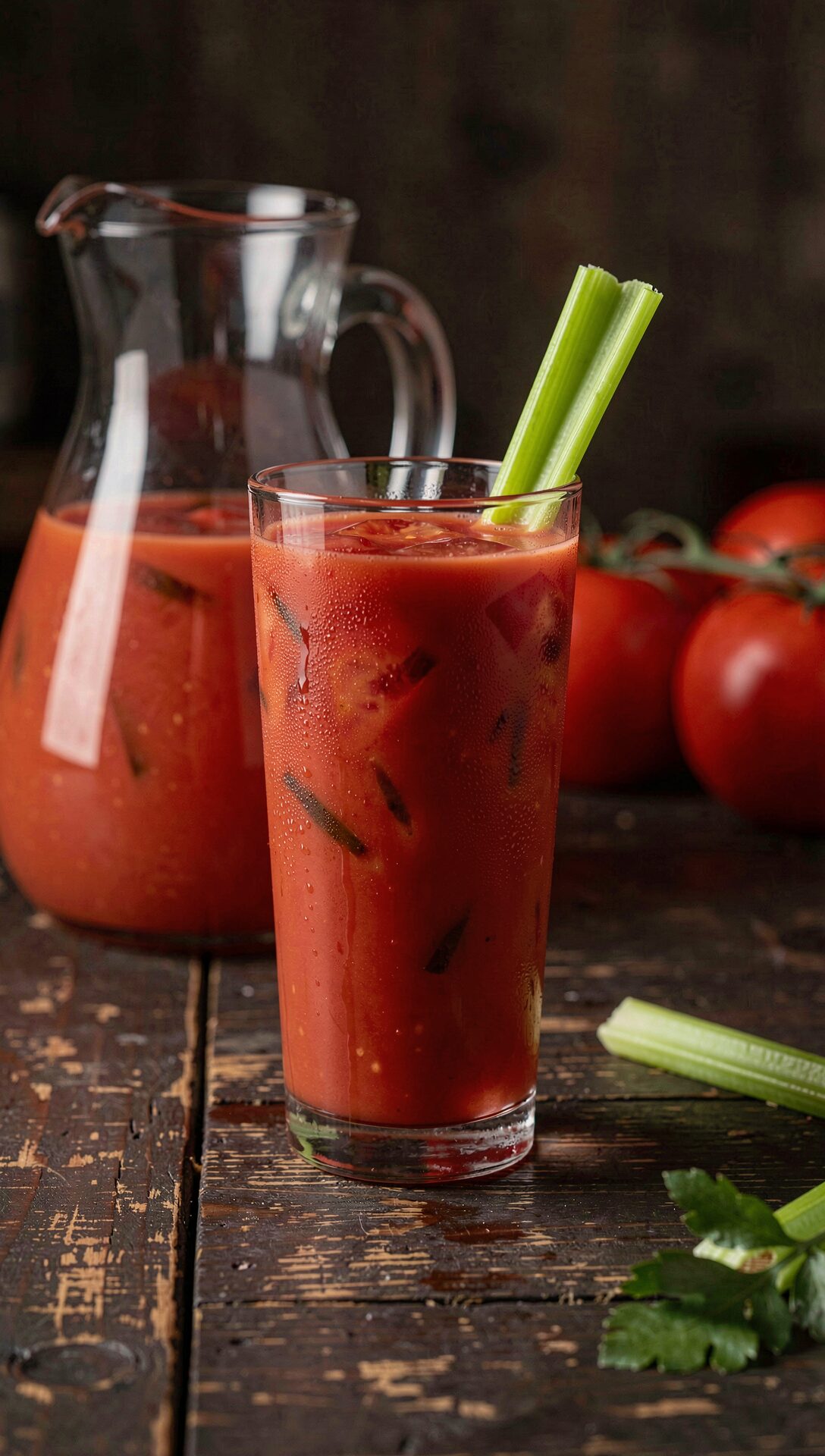
    Why Your Bloody Mary Is Making You Puffy — And What to Do About It

    You wake up Sunday morning after a solid brunch session. Two, maybe three Bloody Marys deep. You reach for your coffee, glance in the mirror, and wonder why your face looks like it’s retaining water from a rainstorm. Your rings are tight. Your eyes are doing that half-closed, vaguely swollen thing. You’re not hungover exactly — you paced yourself, drank water, did everything right. So what gives?

    Sodium. And a lot of it.

    Here’s the thing most people don’t think about when they order a Bloody Mary: that drink is a sodium delivery system before a single ounce of vodka hits the glass. Most commercial mixes — the ones sitting behind every bar and on every grocery store shelf — are running anywhere from 800 to over 1,000 milligrams of sodium per serving. Per serving. Before you’ve added anything else.

    And you always add something else.

    Worcestershire sauce brings sodium. Prepared horseradish brings sodium. Your hot sauce of choice — sodium. The olive brine from that skewer of garnishes — sodium. And that beautiful celery salt or spiced rim you’re so proud of? More sodium.

    And let’s talk about the garnish situation for a second. The loaded Bloody Mary towers that flood your Instagram feed — the ones stacked with olives, bacon strips, cured meats, cheese cubes, pickles, and whatever else the bartender felt like skewering that morning — look incredible. They also bring a staggering amount of additional sodium to an already compromised drink. That garnish isn’t just a garnish anymore. It’s a sodium side dish.

    Stack all of that on top of an already salty commercial mix and you’re not drinking a cocktail anymore. You’re drinking a salt lick with a celery stalk in it.

    The fix isn’t complicated, but it does require some intention. Start with no-salt-added tomato juice — and I mean actually read the label, because “low sodium” and “no salt added” are not the same thing. One is still bringing sodium to the party, it just brought less of it. From there, you control every other ingredient consciously. A measured dash of Worcestershire instead of a free pour. Good prepared horseradish instead of the stuff packed in brine. A hot sauce you’ve actually tasted on its own and know the salt level of.

    Making your own mix from scratch is the only way to truly own the sodium load in your glass. Or, if you prefer a pre-made mix, choose one from a brand that actually thought about this during formulation — not one that’s just dumping salt in because salt makes things taste good and masks inferior ingredients.

    A great Bloody Mary should be bold, complex, layered, and savory. It should not leave you looking like you slept face-down on a bag of pretzels.

    Your rings will thank you.


    A note on this post: I worked with an AI writing tool to help shape and refine some of the language here. The opinions, experience, and strong feelings about sodium are entirely my own.

  • Hello world!

    Welcome to WordPress. This is your first post. Edit or delete it, then start writing!